
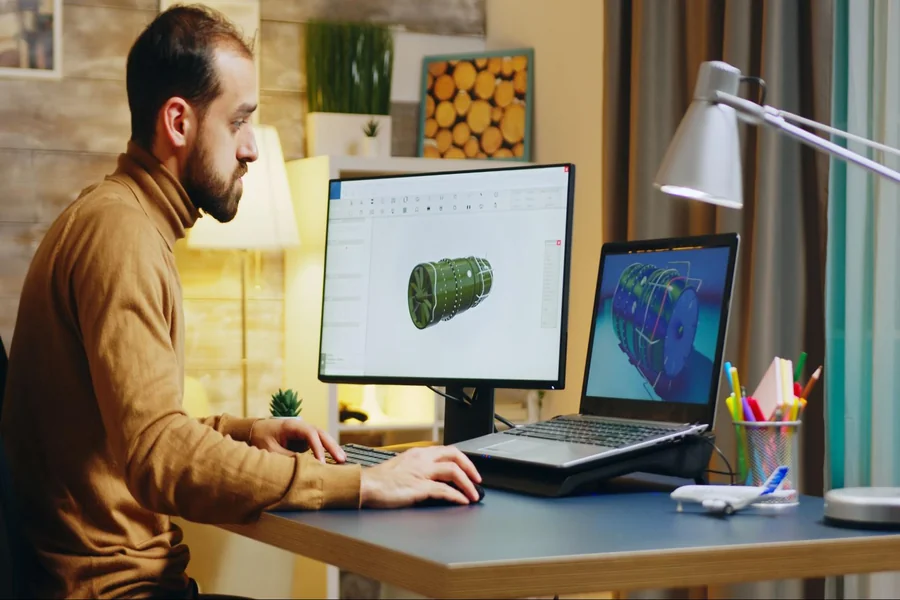
As digital interfaces undergo rapid innovation, design professionals are tasked with staying ahead of the curve. This year, trends in digital product design are more dynamic than ever, with a focus on aesthetics, technology, and inclusive strategies that enhance user engagement. Exploring new approaches from bold visuals to AI-driven workflows, designers are reimagining how users connect with products online. Those seeking inspiration can find emerging examples of blog design and other UI patterns shaping the industry .<|join|>Those seeking inspiration can find emerging examples of blog design and other UI patterns shaping the industry.
Modern digital product design centers on crafting memorable, accessible, and effective experiences. As seen across blogs, e-commerce platforms, and mobile applications, these trends do not just influence appearance; they also play a crucial role in building loyalty, improving usability, and driving business success. Staying updated on shifts such as AI integration or the rise of immersive technologies is vital for maintaining a competitive edge.
As users expect more personalized, purposeful interactions, a strategic approach to adopting these trends can deliver tangible benefits. Whether through vivid color palettes, microinteractions, or refined UX writing, design teams are focusing on enhancements that serve both brand identity and audience needs.
Today’s most impactful digital products are those that go beyond visual flair, blending efficient process, empathy, and future-ready features to stand out in an increasingly crowded online landscape. Thoughtful innovation is key, from leveraging automation and inclusive content to pioneering accessible, immersive interfaces.
For those interested in broader design developments and the impact of technology on user-centric experiences, the design patterns section of Smashing Magazine offers further insights from industry thought leaders and community experts.
Bold Visual Choices
After a widespread embrace of minimalist design, digital products are moving towards striking, energetic visuals. Designers increasingly rely on eye-catching color gradients, 3D graphics, and playful animations that grab attention while guiding users through the interface. This evolution reflects a need to differentiate in an environment where users encounter a relentless flow of digital products. Google’s Material Design principles, for instance, have set industry standards for balancing function and artistic flair.
These bold choices are not just aesthetic; they foster brand recognition and help forge emotional connections. Proper use of dynamic elements and distinctive typography can elevate otherwise standard user flows, making apps and websites both enjoyable to use and easy to remember. As user expectations rise, companies willing to experiment visually are reaping rewards in retention and loyalty.
AI Integration in Design
Artificial Intelligence has rapidly become a core component in digital design toolkits. By automating repetitive or time-consuming tasks such as template generation, image editing, and UI layout suggestions, AI equips design teams to work faster and smarter. More advanced workflows now allow AI to analyze user data and automatically adapt interface elements, ensuring tailored experiences for each visitor.
The result is a dual benefit: increased efficiency in the creative process and higher relevance for the end user. Designers gain actionable insights from AI-powered analytics that can highlight behavioral trends or overlooked opportunities for improvement .<|join|>Designers gain actionable insights from AI-powered analytics that can highlight behavioral trends or overlooked opportunities for improvement .<|join|>Designers gain actionable insights from AI-powered analytics that can highlight behavioral trends or overlooked opportunities for improvement. This technology-driven personalization signals a shift away from generic interfaces to highly customized digital journeys.
Screenless Interfaces and Immersive Technologies
As voice assistants and gesture-based controls become more sophisticated, screenless interaction is moving from a futuristic concept to a mainstream reality. Devices like smart speakers, smartwatches, and AR wearables allow users to navigate experiences with little or no reliance on visual displays. For designers, this shift presents challenges and exciting possibilities. Crafting seamless voice commands, intuitive gestures, and layered augmented reality experiences requires a whole new set of skills.
Augmented reality, for instance, is now commonly embedded in e-commerce and gaming, letting users explore products or environments as if they were physically present. The blending of physical and digital worlds is reshaping what “accessibility” and “interaction” mean, driving demand for expertise in spatial design and conversational UI. The New York Times explores how immersive technology is influencing daily life and digital strategy.
Inclusive UX Writing and Accessibility
Increasingly, organizations are prioritizing inclusive, accessible content. UX writers and accessibility professionals now collaborate closely with designers to craft language that is straightforward and sensitive to diverse needs. This goes beyond alternative text and color contrast; it involves considering readability, tone, and clarity in every user-facing message. Effective UX writing also includes instructions, error messages, and microcopy, all designed to guide users of any background or ability.
Accessibility is more than a compliance checklist. It is a business imperative to open products to wider audiences and build trust. The World Wide Web Consortium (W3C) provides extensive resources on best practices for accessible web design.
Micro-Interactions for Enhanced User Engagement
Micro-interactions, small, often delightful responses to user actions, are now fundamental for creating engaging digital products. These can be subtle animations that confirm a successful action, gentle transitions between states, or feedback signals that reassure users throughout their journey. Designers are moving beyond basic hover effects and increasingly using micro-interactions to explain processes, celebrate milestones, and guide user behaviors.
When used thoughtfully, these nuanced design elements can reduce cognitive load and make interfaces more intuitive. The challenge is to balance playfulness with usability, ensuring micro-interactions improve rather than distract from the experience. As digital products become more complex, micro-interactions play an increasingly prominent role in supporting trust and delight.
Adopting these leading trends positions design teams to meet, if not exceed, modern user expectations. By blending aesthetics, automation, accessibility, and personalized interactions, digital products can deliver lasting impact and remain competitive in a fast-changing digital environment.