
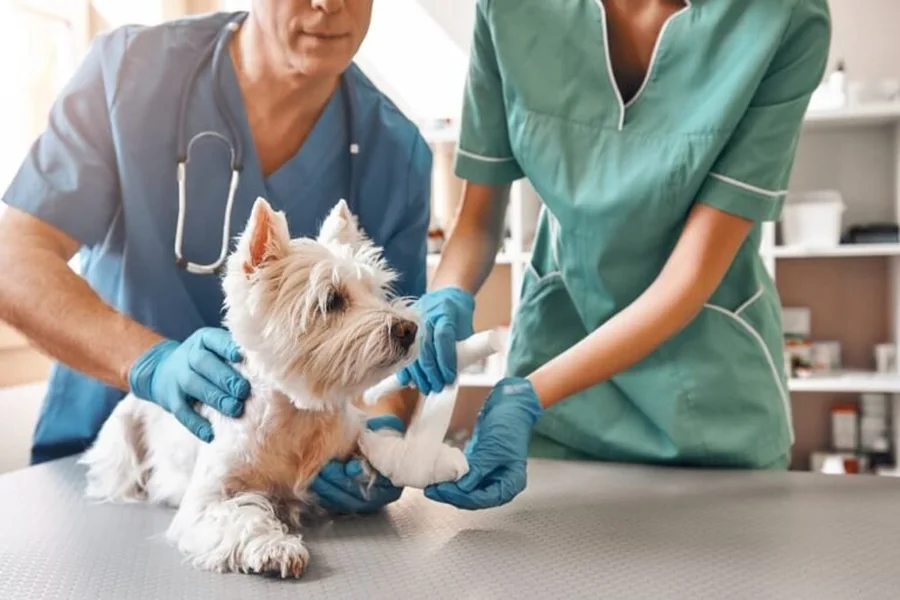
When your pet feels unwell or wounded, the process can be overwhelming. A veterinarian in North Calgary plays a crucial role in managing these situations with expertise and care. You want someone who can assess and treat effectively. General veterinarians are equipped to handle a wide range of pet illnesses and injuries. They provide initial diagnoses, treatments, and follow-up care. You might worry about how your pet is feeling or if they will recover quickly. The good news is that these professionals are prepared to address your pet’s needs. They offer support and guidance through every step. They discuss symptoms with you and explain treatment options in clear terms. Understanding how these veterinarians work provides reassurance in tough times. Your pet’s health and happiness is a priority. Remember, proactive care can prevent complications and help your pet return to their playful self faster.
Initial Assessment
When your pet shows signs of illness or injury, the first step is a thorough assessment. General veterinarians examine your pet and gather information about symptoms. They ask questions about behavior changes or any recent incidents. This initial assessment helps them decide on necessary tests or immediate treatments. You may feel anxious, but understanding your pet’s condition is key to effective care.
Diagnostic Testing
Once the initial assessment is done, the veterinarian may recommend diagnostic tests. These tests include blood work, X-rays, or ultrasounds. Each test provides valuable information about your pet’s health. For example, blood tests can detect infections or organ issues. X-rays reveal bone injuries or foreign objects. By gathering this data, veterinarians can make informed decisions on your pet’s treatment plan. The American Veterinary Medical Association offers insights on the importance of diagnostic tests in ensuring accurate treatments.
Treatment Options
After diagnosis, the veterinarian discusses treatment. Options depend on the illness or injury severity. Treatments range from medication and wound care to surgery. Sometimes, a simple diet change or rest is all that’s needed. Veterinarians explain why each option is preferred. You want to see your pet recover quickly, so following the veterinarian’s recommendations is essential. If surgery or advanced treatment is necessary, they guide you on what to expect.
Comparison of Common Treatments
| Treatment Type | Use | Recovery Time |
|---|---|---|
| Medication | Infections and pain management | Varies, usually days to weeks |
| Wound Care | Cuts, scrapes, minor injuries | Days to weeks |
| Surgery | Serious injuries, internal issues | Weeks to months |
| Diet Change | Digestive problems, allergies | Varies, often long-term |
Follow-Up Care
Follow-up care is crucial for recovery. Veterinarians schedule check-ups to monitor progress. They adjust treatments as needed to ensure your pet heals properly. You might find these visits cumbersome, but they’re vital. Regular follow-ups detect any new issues early, preventing complications. The Canadian Veterinary Medical Association emphasizes the importance of consistent aftercare in maintaining pet health.
Prevention
Preventive care reduces the risk of future illnesses or injuries. Vaccinations, regular check-ups, and a balanced diet play a crucial role. General veterinarians advise you on maintaining your pet’s wellbeing. Simple steps like ensuring a safe environment or regular exercise help keep your pet healthy. Proactive care is not only about preventing illness but also about enhancing your pet’s quality of life.
Conclusion
General veterinarians are your partners in your pet’s health journey. Their expertise ensures your pet receives the best care possible. From initial assessment to follow-up care, they guide you every step of the way. You can trust their knowledge and dedication to your pet’s wellbeing. Remember, proactive and preventive care leads to a happy, healthy pet, and that’s what every pet parent wants.