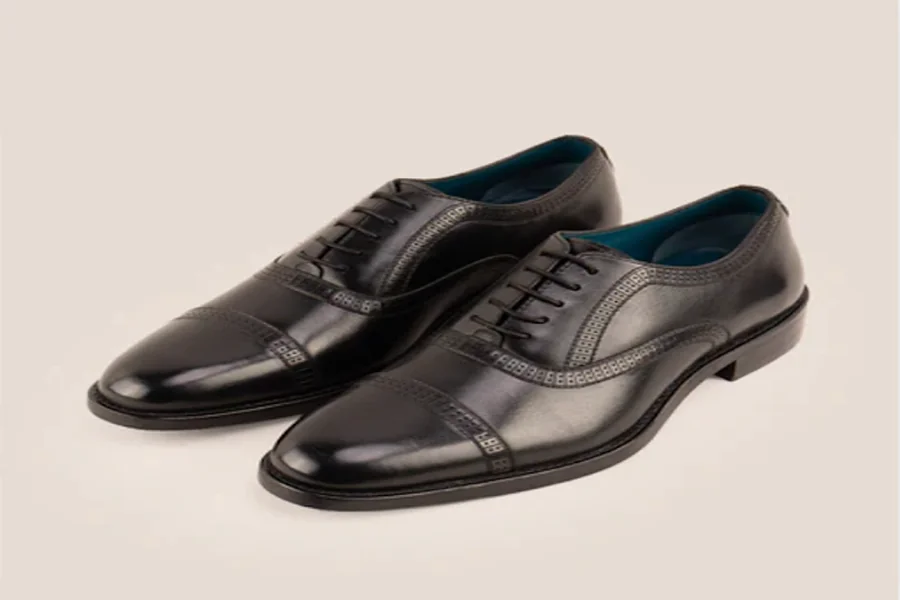
Picture a crisp autumn morning in the Scottish Highlands, where mist clings to the heather and a gentleman steps out in shoes that whisper of practicality and quiet elegance. These are not just any shoes; they are mens brogues, with their distinctive perforations born from muddy fields yet destined for city streets. Once a humble tool for the working man, the brogue evolved into a British icon, blending rugged heritage with refined style. How did this perforated powerhouse capture the hearts of kings, poets, and everyday chaps alike? Let us trace its steps.
Key Takeaways
- Mens brogues originated as functional footwear for boggy terrain, with holes designed to drain water and mud.
- Their rise in Britain came through aristocratic adoption, turning workwear into high fashion.
- Brogues carry cultural weight, symbolising British resilience from countryside hunts to urban sophistication.
- Today, they pair effortlessly with modern outfits, including robust boots male styles for versatile wardrobes.
- Pairing brogues with accessories like a leather passport holder elevates travel-ready looks.
The Humble Beginnings
The story of mens brogues starts in the bogs of Ireland and Scotland during the 18th century. Farmers and gamekeepers needed shoes that could handle relentless wet ground. Traditional leather footwear turned into soggy weights after a downpour, so craftsmen punched small holes into the leather uppers. These perforations allowed water to escape, while the sturdy brogueing – those decorative wingtip patterns – added grip and strength.
Early designs were rough, often made from untanned leather for flexibility. Think of the ghillie brogue, a low-heeled style tied with laces over the instep, favoured by Highland stalkers. By the 19th century, as leatherworking techniques improved, these shoes crossed the Irish Sea into England. Shoemakers in Northampton, the heart of British footwear, refined the craft. They shifted from raw hides to polished calfskin, preserving the holes as a signature flourish. This evolution marked the brogue’s quiet rebellion: from necessity to artistry.
Rising Through the Ranks in Britain
Popularity surged in the Victorian era, when the landed gentry embraced country pursuits. Edwardian dandies, spotting the brogue’s charm on hunts, brought them to London’s drawing rooms. King Edward VII, a trendsetter with a penchant for tweed, popularised the full-brogue – featuring wingtip caps and dense perforation lines across the entire upper. Tailors began matching them with plus-fours and Norfolk jackets, cementing the shoe’s place in sporting wardrobes.
The 20th century accelerated the ascent. After the First World War, demobbed soldiers returned with a taste for practical elegance. Brogues suited the Jazz Age’s looser silhouettes, pairing with flannel trousers and knickerbockers. By the 1930s, they graced Savile Row suits, as Hollywood icons like Cary Grant wore them in films that reached British shores. Mens black loafers offered a sleeker alternative for evenings, but brogues held firm for daytime versatility. Their appeal lay in adaptability: tough enough for rural paths, polished for Pall Mall clubs.
Cultural Threads and Enduring Charm
Brogues weave through Britain’s cultural fabric like threads in a Harris tweed jacket. They symbolise resilience – the perforations a reminder of stormy moors conquered by design. Literature nods to them: P.G. Wodehouse’s Bertie Wooster sported brogues with brio, while Ian Fleming’s James Bond favoured them for their understated grit. Even in music, The Kinks evoked mod culture with brogue-clad lads on Carnaby Street.
This lasting appeal stems from their democratic spirit. Unlike stiff Oxfords, brogues invite personality. A chap could scuff them on countryside rambles yet shine them for the office. Accessories amplified the look; slip a leather billfold wallet mens into your pocket alongside, and you have a kit ready for any adventure. Their influence echoes in global fashion, from Wall Street brokers to Milan runways, but Britain claims the soul.
Brogues in Today’s Wardrobe
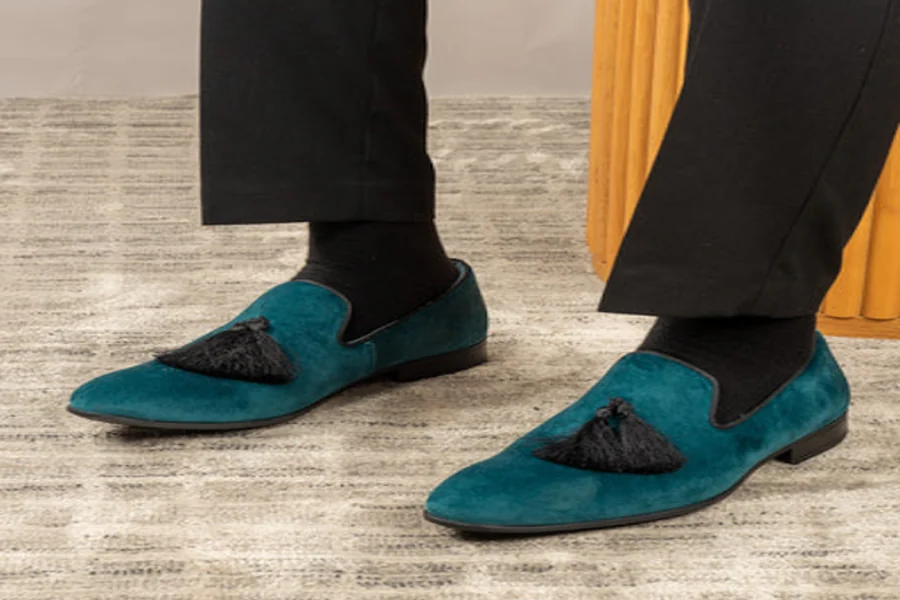
Modern fashion revives the brogue with fresh energy. Pair them with slim chinos and a chambray shirt for weekend errands, or under a navy suit for boardroom poise. The rise of sustainable leathers appeals to eco-conscious dressers, while suede versions add texture. Boots male styles take the brogue ethos further – think Derbys with brogueing, ideal for rainy commutes or festivals.
Styling tips keep it simple. Dark brown brogues ground neutral suits; antique them with polish for patina. For casual flair, roll up jeans to show the perforations. They bridge smart and rugged, outlasting fleeting trends. In a world of athleisure, brogues remind us that dressing from the ground up builds confidence.
The Journey Recapped
From Highland bogs to high-street windows, mens brogues trace a path of ingenuity and style. They began as survival gear, gained traction through elite endorsement, and now anchor wardrobes worldwide. Their perforations, once for drainage, now dazzle as craft. Britain gifted the world this classic, proving that true style endures.
In conclusion, the brogue stands timeless in British fashion, a testament to heritage done right. Brands like Oswin Hyde honour this legacy with pieces that blend tradition and wearability. Slip on a pair, feel the ground beneath, and step into your own story.