
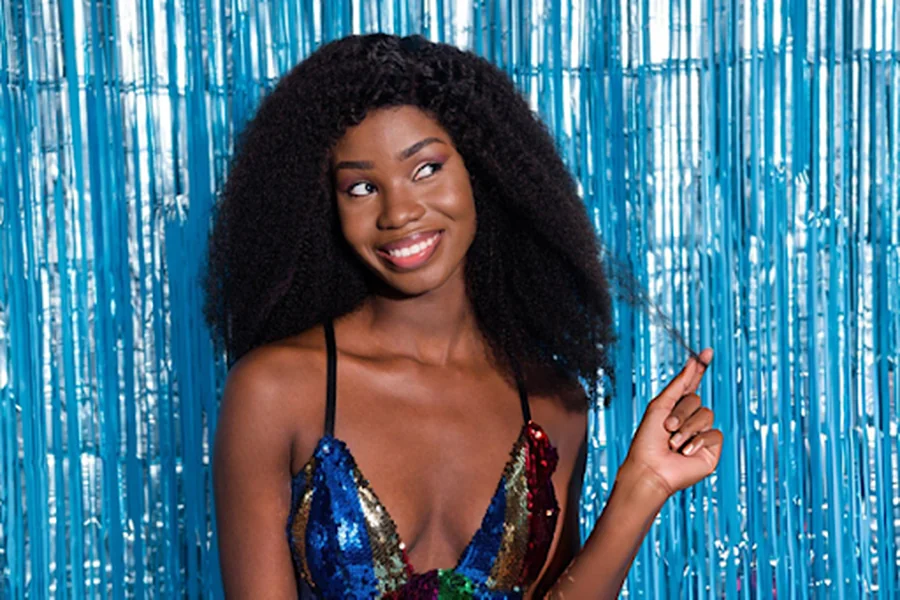
A quiet-luxury blowout is the hairstyle equivalent of a perfectly tailored blazer: polished, understated, and effortlessly expensive-looking. It’s the “model-off-duty” finish that works for interviews, brand meetings, work events, and upscale dinners—because it’s not trying too hard, yet it still moves beautifully when you walk. The goal is a soft body, healthy shine, and a touch of ’90s elegance—without the stiff, flat-ironed vibe. If you love a sleek look but want your mane to feel touchable and full, this blowout approach is the sweet spot.
Kinky Straight Extensions and the Quiet Luxury Blowout Blueprint
Natural hair is full of personality—spring, strength, and texture that deserves to be styled with care and intention. When you want that refined, airy movement for professional moments, Kinky Straight Hair Extensions can give you the best of both worlds: a blown-out look that still feels textured and believable, with volume that doesn’t fall flat by lunch. To get the quiet-luxury finish, think “lift at the roots + smooth along the lengths + bounce at the ends.” That combo creates that expensive-looking swish without screaming “I just used every hot tool in the house.” Your tresses should look like they’ve been pampered, not pressed into submission.
Here’s the simple blowout blueprint that keeps frizz down and bounce up:
- Start with clean, well-conditioned strands (product buildup is the #1 enemy of movement).
- Use a lightweight heat protectant before any blow-drying or brushing.
- Work in sections (smaller sections = smoother results with less heat).
- Direct airflow downward to flatten the cuticle and reduce flyaways.
- Finish with a flexible hold so your mane can move, not crunch.
Bouncy Without Frizz: How to Blowout Textured-Straight Tresses the Right Way
Frizz usually isn’t “random”—it’s a sign of dryness, too much product, or rough handling during styling. The secret to a bouncy blowout with minimal flyaways is moisture balance plus technique. You want your mane hydrated enough to resist puffiness, but not so coated that it gets heavy.
Start on damp (not soaking wet) tresses. Apply a light leave-in or blow-dry primer mainly to the mid-lengths and ends. Then use a round brush or a paddle brush with tension—gentle, steady tension is what creates smoothness without needing extreme heat.
A practical, frizz-reducing method that still gives bounce:
- Rough-dry first to 70–80% (hands + dryer). This cuts down total heat time.
- Switch to sectioned blowout with a round brush for volume and bend.
- Aim the nozzle downward and keep the dryer moving.
- Cool-shot each section before releasing it—this helps “set” the shape.
If you’re in a humid area or you’re going from a cold office to warmer outdoors, finish with a tiny amount of anti-humidity serum—just enough to seal, not enough to slick down. The goal is softness you can still run your fingers through.
Ethnicity With Type 4 Hair and Texture Education for a Natural-Looking Finish
Natural hair texture is incredibly diverse, and understanding texture helps you choose styling methods that look believable and feel comfortable. If you’ve ever wondered about the roots of tighter curl patterns, here’s a helpful starting point: What Ethnicity Has Type 4 Hair? It’s most seen among people of African descent, but texture isn’t exclusive to one ethnicity—genetics vary widely, and families can carry different curl patterns across generations.
Why does this matter for the “quiet luxury” blowout? Because the most expensive-looking styles are the ones that respect what your hair naturally does. Instead of forcing your mane into a stiff finish, you’re mimicking that fresh-from-the-salon stretched look—smooth, full, and touchable, with a texture that still makes sense.
To keep the style looking natural and high-end:
- Match density and finish so your blend looks seamless.
- Choose movement over extreme flatness (especially around the crown).
- Focus on healthy shine—not oily gloss.
Blowout vs Silk Press: What’s the Difference and Which Lasts Longer?
Both styles can look sleek, but they’re not the same vibe—or the same wear time. A blowout is about airy movement and volume, while a silk press is about maximum smoothness with a flatter, glassier finish. Quiet luxury leans more blowout because it’s polished yet natural-looking, especially for “workwear beauty.”
A blowout typically lasts well when you’re keeping the tresses wrapped at night and avoiding moisture. A silk press can also last, but it’s more vulnerable to humidity because it relies on that ultra-smooth, pressed finish. If your schedule includes commuting, errands, or weather changes, the blowout often holds up better because the style has a built-in body—so even if it relaxes slightly, it still looks intentional.
Quick comparison:
- Blowout: airy volume, flexible movement, soft bend at the ends
- Silk press: flatter silhouette, high shine, very sleek finish
- Which lasts longer?
- In humid conditions, blowouts often look “better for longer” because the style ages gracefully.
- In dry, controlled environments, silk presses can last a long time—if protected carefully.
Choose the blowout when you want that confident, minimalist elegance that works from boardroom to dinner reservation.
Shine Without Grease: Product Rules + Overnight Preservation
Shine is essential for the quiet luxury aesthetic, but “greasy” is the fastest way to ruin it—especially with add-on tresses that can get weighed down. The trick is using the right product categories in the right order and applying them with a light hand.
Think of shine in layers:
- Hydration layer: lightweight leave-in or blow-dry primer (pea to nickel size per section).
- Protection layer: heat protectant spray (even coverage, not soaking).
- Polish layer: a micro-amount of serum or sheen mist on the ends only.
If your mane gets oily quickly, avoid heavy butters and thick oils near the roots. Instead, use a feather-light serum and focus on the perimeter and ends where dryness shows first.
Overnight preservation is what makes your blowout last like a pro. Pick one method based on how much volume you want the next day:
- Wrap method: smooth the tresses around your head, secure with pins, and cover with a silk scarf for sleekness.
- Large rollers: use 4–8 big rollers to preserve bounce and lift (best for that “salon” feel).
- Silk scarf + loose ponytail: a low, loose wrap keeps shape without dents.
In the morning, don’t over-brush. Use your fingers to separate, then a soft brush just to polish the surface. A quick blast of cool air (or low heat) can revive movement without redoing the entire style.
FAQs
Q1: How do you get a bouncy blowout look without frizz?
Use damp—not dripping—tresses, apply a lightweight blow-dry primer, and dry in sections with airflow directed downward. Finish each section with a cool shot and use only a tiny amount of anti-humidity serum on the ends.
Q2: Blowout vs silk press—what’s the difference and which lasts longer?
A blowout gives volume and flexible movement; a silk press is flatter and ultra-sleek. In humidity, blowouts often look better longer because they relax gracefully, while silk presses can revert faster when exposed to moisture.
Q3: What products keep shining without making hair greasy?
Choose lightweight layers: blow-dry primer + heat protectant + a micro-drop of serum on the ends only. Avoid heavy oils/butters at the roots if your mane tends to get oily.
Q4: How do you preserve the style overnight?
Wrap for sleekness, use large rollers for bounce, or combine a silk scarf with a loose, low hold to prevent dents. The key is reducing friction and keeping the tresses smooth while you sleep.