
Table of Contents
- Importance of Fundamentals
- Key Fundamental Skills
- Balancing Practice and Games
- Role of Coaching
- Mental Performance Training
- Teamwork and Communication
- Long-Term Athlete Development
- Conclusion
Developing strong fundamentals in youth basketball is the key to building a solid foundation for young athletes. When players focus on youth basketball skill development through consistent practice and reinforcement of core skills, they prepare themselves not only for individual improvement but also for meaningful teamwork and an in-depth understanding of the game’s strategies. For families and coaches looking to nurture well-rounded players, emphasizing fundamentals early on makes a significant difference.
Basketball fundamentals, including dribbling, shooting, and hands-on defensive training, shape the confidence and skills young athletes bring to both practice sessions and live games. Strong technical skills, coupled with thoughtful coaching, help players stand out in competitive settings and open doors to more advanced basketball opportunities.
Balanced training regimens, effective communication, and an understanding of long-term athletic progress are all critical as youth athletes continue to grow. Teams Reasonable focus on these principles, see improvements not just in performance but also in player enjoyment, resilience, and leadership. Emphasizing a comprehensive approach fosters greater love for the sport and ensures a young player’s sustained involvement.
Every aspect of player growth, from fundamental movement to game-day performance, benefits from a strategy rooted in core skill mastery. Consistent, high-quality practice is what helps athletes reach the next level in their game and prevents the early burnout so prevalent among youth athletes.
Many experts agree that mastering the basics at an early age is critical for future success. According to Psychology Today, foundational skills give young athletes the confidence and competence they need as they advance through increasingly competitive basketball environments.
Importance of Fundamentals
Fundamental basketball skills are the cornerstone upon which advanced moves and team strategies are built. When young players develop strong basics early, they are better able to adapt, learn new techniques, and respond to challenging situations during games. Building good habits from the start prevents young athletes from forming bad technique that can be difficult to correct later in their playing careers. Moreover, understanding the importance of fundamentals fosters a growth mindset, enabling youth athletes to embrace both successes and setbacks as part of their learning process.
Key Fundamental Skills
There are several fundamental skills in basketball that every young player should aim to master:
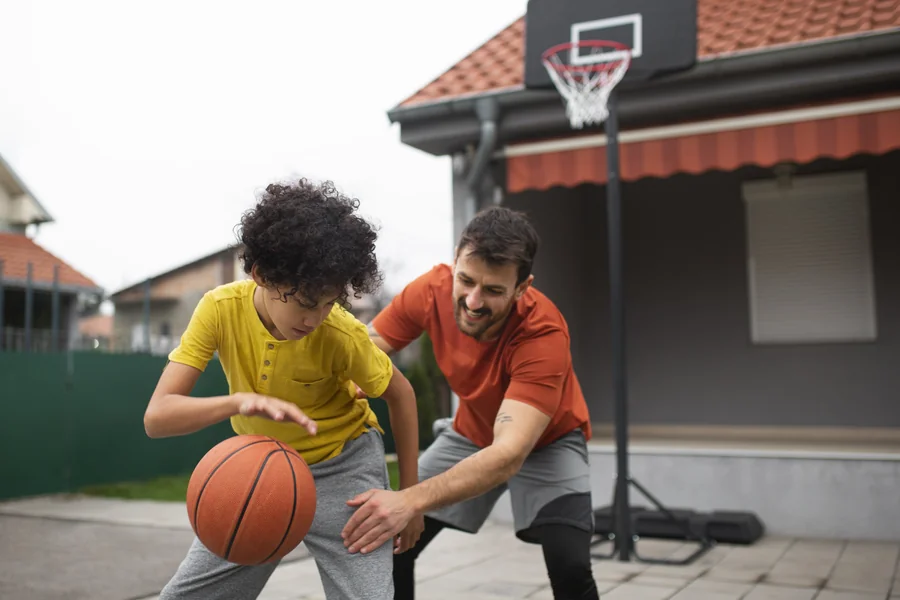
- Dribbling: Mastery of dribbling empowers athletes to move confidently and evade defenders. Good ball control ensures efficient transitions and expanded offensive options.
- Shooting: Effective shooting techniques build accuracy and self-assurance, shaping how players contribute to their team’s scoring success.
- Passing: A focus on passing sharpens a player’s vision and ability to execute plays, reinforcing teamwork and unselfish basketball.
- Defense: Strong defensive skills teach young athletes the value of hustle and anticipation. Good defense is critical to team success and individual growth.
While these may appear simple, mastering all four areas takes consistent effort and leads to balanced, versatile basketball players.
Balancing Practice and Games
Game experience provides excitement and teaches valuable lessons, but reliance solely on games can come at the expense of proper skill development. For young players to thrive, there must be an emphasis on high-quality practice sessions that focus on refining technique through drills and feedback. Structured practice time helps athletes perfect their footwork, shooting form, and overall game sense without the pressure of immediate competition. As highlighted by basketball training experts, playing too many games without sufficient skill-building practice often leads to frustration, fatigue, and missed opportunities for improvement. Quality practice conditions prime athletes for peak performance in real games, increase the likelihood of skill transfer, and ensure player well-being over the long term.
Role of Coaching
Coaches play an essential role in youth basketball development. Great coaches do more than enforce rules or organize teams. They focus on individual athletes’ progress, instilling confidence through patient instruction and regular, meaningful feedback. Professional coaches help players navigate setbacks and foster an optimistic team environment that embraces growth and improvement. Positive coaching practices not only develop physical skills but also promote resilience, character development, and a persistent love for the sport. Parental engagement in evaluating coaching professionalism can also make a difference for youth teams seeking trustworthy and inspiring mentors.
Mental Performance Training
Physical skills are only one part of basketball success. The mental side of the game is increasingly recognized for its critical impact on performance. Today’s leading youth programs now include mental performance strategies such as visualization, mindfulness practice, and confidence training. These tools equip athletes to handle pressure, recover from mistakes, and maintain focus regardless of distractions or setbacks. As outlined by Psychology Today, incorporating mental preparation into athletic training enhances young athletes’ well-being, satisfaction, and in-game decision-making.
Teamwork and Communication
Basketball is a team sport that thrives on player collaboration. Building communication and teamwork skills early in a child’s athletic journey ensures that players learn how to build each other up and work toward common success. Regular drills that focus on passing accuracy, defensive switches, and quick decision-making foster trust among teammates and cultivate an inclusive atmosphere on and off the court. Understanding each player’s strengths and communicating clearly increases team morale and leads to more rewarding experiences for everyone involved.
Long-Term Athlete Development
Approaching basketball training with a long-term vision supports young athletes’ steady improvement while protecting their passion for the sport. Long-term Athlete Development (LTAD) frameworks encourage progression from mastering basic movements to sport-specific skills and, finally, to advanced techniques and tactics. This ensures that each athlete advances at an appropriate pace, minimizing injuries and reducing the risk of burnout. The LTAD philosophy balances early specialization with general athletic development, which is crucial for young players interested in basketball and other sports.
Conclusion
Consistent attention to fundamental skills, reinforced by deliberate practice sessions and quality coaching, lays the groundwork for success in youth basketball. Integrating mental training, teamwork, and a long-term development mindset produces well-rounded athletes who continue growing on and off the court. A holistic approach to youth basketball skill development guarantees not only stronger basketball players but lifelong confidence and enthusiasm for the game.