
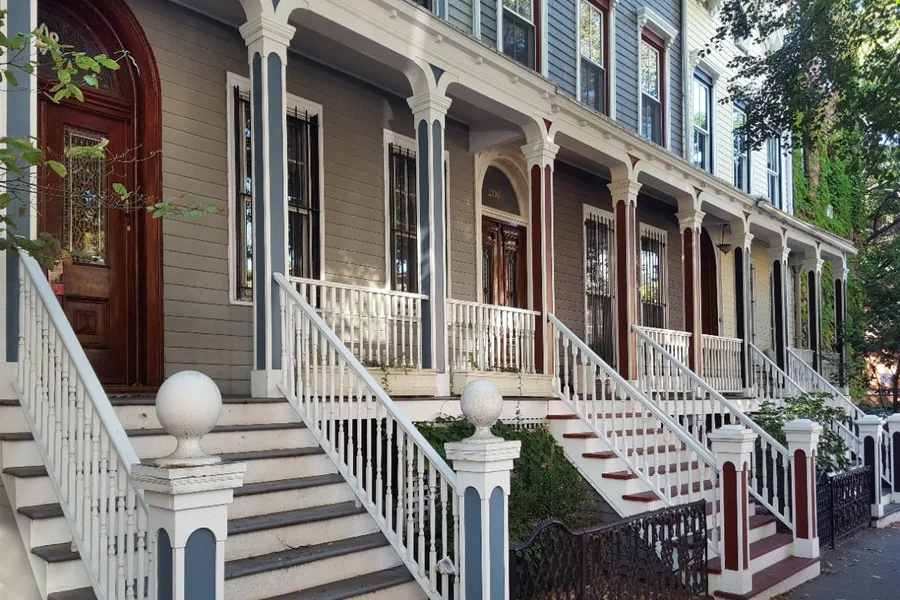
Finding your dream home extends far beyond the features within its four walls—your neighborhood selection can significantly impact your lifestyle, investment value, and overall happiness. The surrounding community is often a make-or-break factor, influencing everything from morning commutes to your social life to the long-term appreciation of your property’s value. As you start your home search journey, understanding what makes a community the right fit is crucial. Whether you are relocating to a coastal city, a bustling suburb, or a peaceful rural area, exploring your options through resources like houses for sale in Sarasota FL can help you visualize your future surroundings and ensure you make an informed decision. Taking time to research and reflect before making commitments can prevent future stress and maximize the enjoyment of your new environment. After all, a home’s location can have a direct impact on the rhythms of everyday life, your finances, and your experiences for years to come.
The perfect neighborhood means something different to everyone. For some, it’s walkable tree-lined streets and top-rated schools; for others, quick commutes and lively nightlife initiatives. Some are drawn to artistic districts filled with galleries and boutiques, while others prioritize quiet, family-friendly enclaves with playgrounds and community activities. By narrowing your search based on specific priorities and conducting comprehensive research, you can streamline your experience and avoid buyer’s remorse. A clear understanding of what you need and want, balanced with a realistic assessment of what each neighborhood offers, will lead you to the place where you truly feel at home.
Understand Your Priorities
Begin your search by making a list of your must-haves and dealbreakers. Are quiet streets, walkable parks, or zoning for renowned schools top priorities? Or do you crave proximity to restaurants, public transit, or cultural venues? Perhaps you prefer neighborhoods with active community events or those located near natural areas for outdoor activities. Defining what matters most will prevent overwhelming choices and keep your search focused. Take some time to discuss these priorities openly with anyone who will be living with you, such as your spouse or partner. Consider both your current needs and realistic future requirements before comparing neighborhoods. For example, you may want extra space for a growing family or a home office if remote work is important. Factoring in possible lifestyle changes will make your choice more resilient as circumstances evolve.
Research Local Amenities
Convenience plays a major role in long-term satisfaction with a neighborhood. Access to supermarkets, hospitals, gyms, and green spaces can enhance daily living and reduce the time spent traveling for essential activities. If you enjoy dining out, look for areas with a variety of restaurants and cafés nearby. Pet owners may appreciate access to dog parks, walking trails, and veterinary services. Families often look for playgrounds, daycare centers, and libraries. Use tools like Google Maps and community Facebook groups to explore the types and quality of amenities available, gauging how they align with your lifestyle. Online reviews and discussions can provide specific feedback on the maintenance of facilities or the selection of products at various supermarkets. Identifying neighborhoods with amenities that cater to your hobbies and daily activities contributes to a more enjoyable living experience overall.
Evaluate Schools and Education
Even if you don’t have children, excellent schools often signal a stable, thriving area and influence home value. Top-rated public and private schools attract families and maintain higher property values over time. Visit GreatSchools to review reports and ratings for public and private institutions near your target neighborhoods. Additionally, consult with statewide education department sites or reputable publications, such as U.S. News & World Report, for broader comparisons of school quality. Drive by local schools to observe drop-off and pick-up procedures, playgrounds, and sports facilities. Chatting with local parents can yield valuable insights into school culture, extracurricular activities, and teacher involvement. Paying attention to the education landscape helps you anticipate future needs and protect the value of your investment.
Assess Safety and Crime Rates
Safety is non-negotiable for most homebuyers. Explore local crime statistics using official police department dashboards or independent resources that break down crime types and trends by location. Many cities also publish their annual crime reports, providing further context for your research. Don’t hesitate to contact local law enforcement or neighborhood associations for more details about recent incidents or proactive safety measures. Remember, factors like neighborhood lighting, active neighborhood watches, and community policing efforts also contribute to a sense of security. Visiting the area at night can help you gauge how comfortable and safe you would feel coming home after dark. A strong community bond, where neighbors look out for one another, often leads to a safer environment overall.
Consider Commute and Transportation
Your everyday routine is shaped by how easily you can get to work, school, and social gatherings. Research public transportation options, highway access, bike-friendliness, and average commute times using mapping services or transit authority websites. Consider the reliability and frequency of buses, trains, and any transit links to nearby cities. Even a 15-minute difference in travel time can have a significant effect on your quality of life and family time. If you enjoy walking or cycling, check for safe pedestrian paths and protected bike lanes. Future roadwork or infrastructure projects could also affect commute times, so checking with local planning departments about upcoming changes is a smart move. The convenience of reducing travel hassles often translates into more free time and less daily stress.
Visit at Different Times
Neighborhood ambiance is dynamic and can shift dramatically based on the time of day or week. Visit during different times of day and week to observe traffic flow, ambient noise, street lighting, and overall vibrancy. For example, a seemingly quiet street may become noisy after sunset or busier during weekday rush hours. Some neighborhoods come alive on weekends with open-air markets or music events, while others remain tranquil. Varying your visits gives you a realistic feel for what living there would actually be like. Take notes on the level of activity, parking availability, and the general appearance of properties at different times. This process helps reveal hidden issues or appealing qualities that could impact your enjoyment and comfort.
Talk to Residents
No one knows a neighborhood better than the people who already call it home. Engage residents by striking up conversations at local parks or coffee shops. Ask about their favorite aspects of the area, tips for newcomers, and any challenges they’ve faced. Discover how connected people feel to the community and whether they participate in neighborhood organizations or community events. Genuine, local insights can reveal considerations that data and reports may overlook. Residents might tell you about annual festivals, farmers’ markets, or block parties, all of which contribute to a neighborhood’s culture. You may also learn about issues such as ongoing construction, noise, or seasonal nuisances that can impact your decision.
Plan for the Future
Look into local government or planning boards for insight into upcoming developments, zoning changes, or major investments—such as new schools, transit expansions, or commercial centers. The addition of new public spaces, highways, or retail amenities can significantly alter a neighborhood’s character within a short period. These changes can both positively and negatively impact your property value and day-to-day living. Staying informed about future projects ensures that your chosen neighborhood will continue to fit your needs for years to come. Ask your real estate agent if there are any planned developments that might affect your target area. Factoring in future growth and investment potential can also enhance your long-term satisfaction and financial outlook for your home.
Making the right neighborhood choice involves combining personal reflection with research, community input, and a long-term perspective. Weighing each factor carefully, from schools and amenities to commute times and future developments, ensures that you don’t just find a house you love—but a true sense of home. By following these steps, you can confidently select a place that enhances your lifestyle and turns your new house into a welcoming, lasting home for years to come.